QUANTUM COMPUTING: BEYOND THE HYPE

L VENKATA SUBRAMANIAM

Session Overview

Qubits, Entanglement, and the Next Frontier of Computing.

L Venkata Subramaniam broke down the fundamentals of quantum computing, starting with the core difference from classical machines: where classical bits are strictly 0 or 1, qubits exist in superposition — both 0 and 1 at once — and can be entangled, so that interacting with one instantly reveals the state of its paired qubit regardless of distance. He noted that entanglement, once dismissed by Einstein as "spooky action at a distance," was proven real enough to win the 2022 Nobel Prize in Physics.

The session made the case for why this matters: classical supercomputers can't realistically simulate nature at a molecular level — simulating a single caffeine molecule would take roughly 10^48 bits, while a quantum computer needs just 160 logical qubits. This unlocks major real-world applications, from drastically speeding up drug discovery and helping companies like Boeing and ISRO design better materials, to enabling more sustainable, data-efficient AI for fraud detection, and eventually cracking today's encryption — driving urgent work on quantum-safe cryptography.

He closed with a grounded view of where the field actually stands: quantum computers won't replace classical ones, but will run alongside them for specific complex problems. Today's systems are still "noisy" and can't yet power large language models, but with quantum computing power doubling yearly, India's strong base of quantum engineers, and government investment through the National Quantum Mission, real "Quantum Advantage" is expected within the next two years.


Key Takeaways & Concepts

  • Qubits, Superposition & Entanglement: Qubits can be both 0 and 1 at once, and entangled qubits reveal each other's state instantly regardless of distance — a phenomenon proven real by the 2022 Nobel Prize in Physics.
  • Simulating Nature at Scale: Simulating a single caffeine molecule would take a classical computer ~10^48 bits; a quantum computer needs only 160 logical qubits to do the same.
  • Drug Discovery & Materials Science: Quantum simulation can replace years of physical lab trials, and help companies like Boeing and agencies like ISRO design stronger, lighter, rust-resistant materials.
  • Sustainable, Data-Efficient AI: Quantum systems can learn from far less data than classical AI, making them promising for anomaly detection (like UPI fraud) with a much smaller carbon footprint.
  • Cryptography Risk: Quantum computers could crack today's encryption in minutes instead of billions of years, driving urgent development of quantum-safe encryption.
  • Co-existence, Not Replacement: Quantum computers won't replace classical devices like phones and laptops — they'll run alongside them to solve specific, highly complex problems.
  • Where We Stand Today: Current qubits are "noisy" and short-lived, and can't yet power LLMs like ChatGPT — but quantum power is doubling yearly, and real Quantum Advantage is expected within two years, with major Generative AI impact by decade's end.
  • India's Position: India has the highest number of quantum software engineers globally, backed by a ₹6,000 crore National Quantum Mission to lead in both quantum hardware and software.

Presentation Deck

Follow along with the slides used in the session:

Your browser does not support PDFs. Download the PDF.

Session Highlights

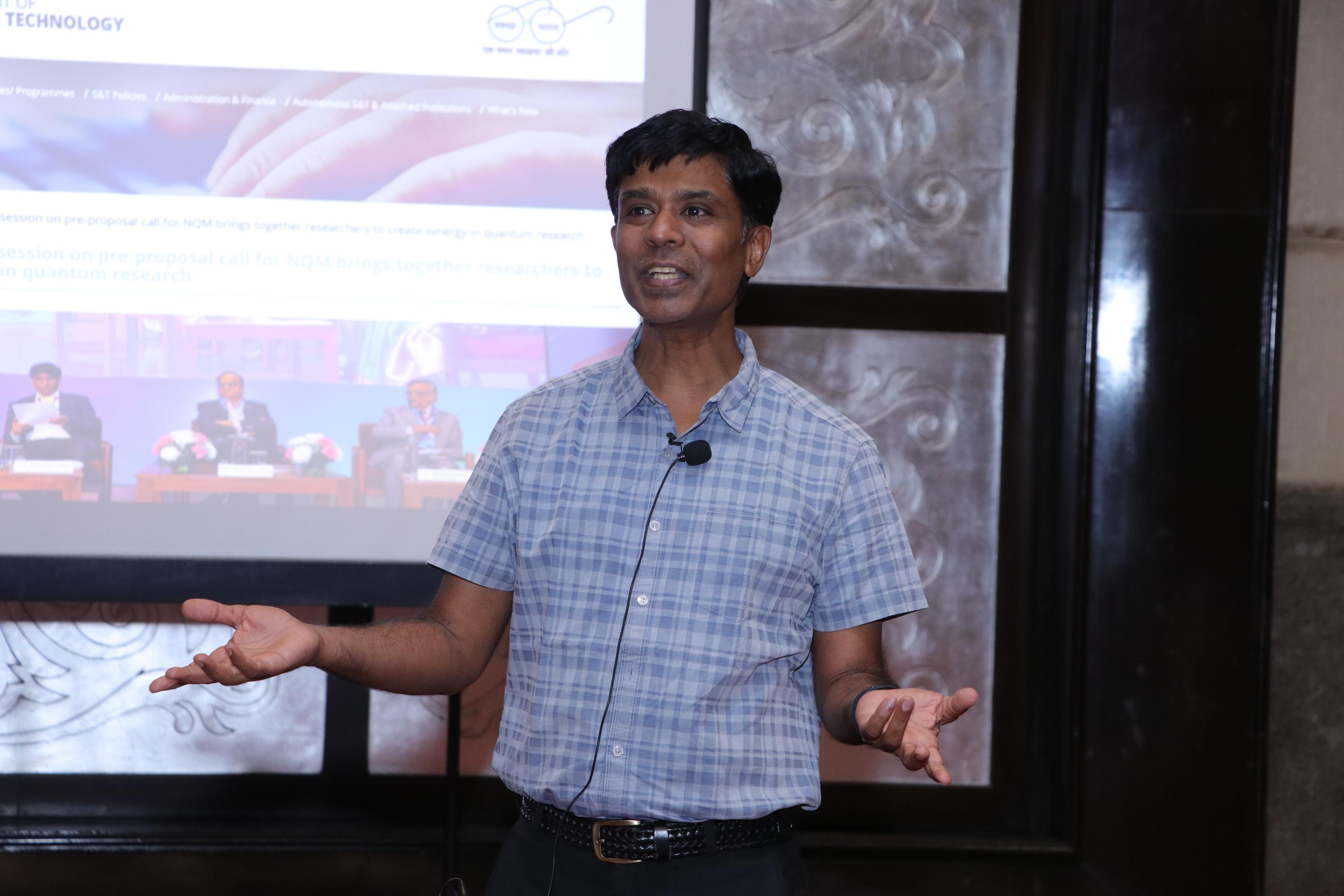
L Venkata Subramaniam presenting at AI Dev Day India 2024
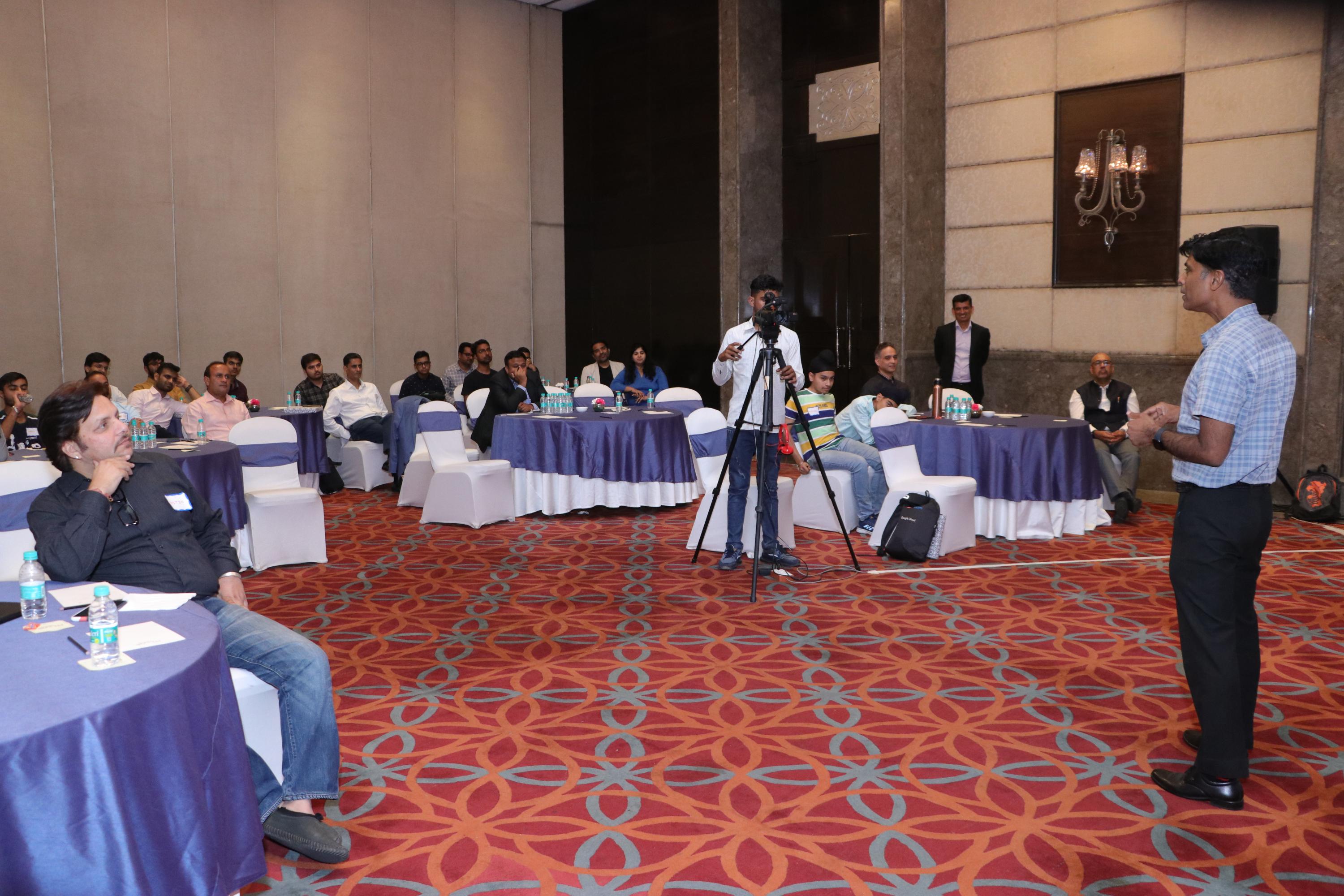
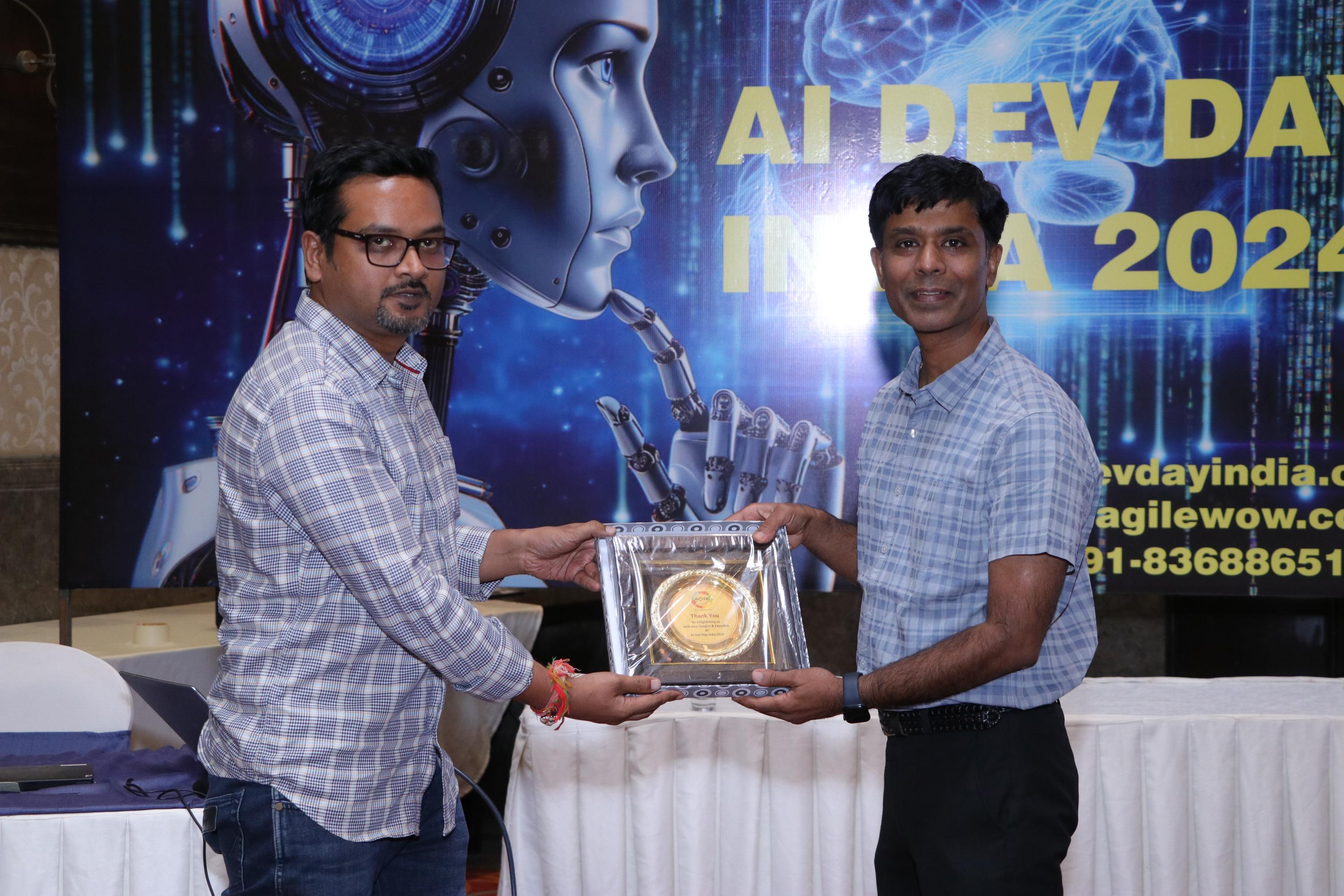
L Venkata Subramaniam session moment
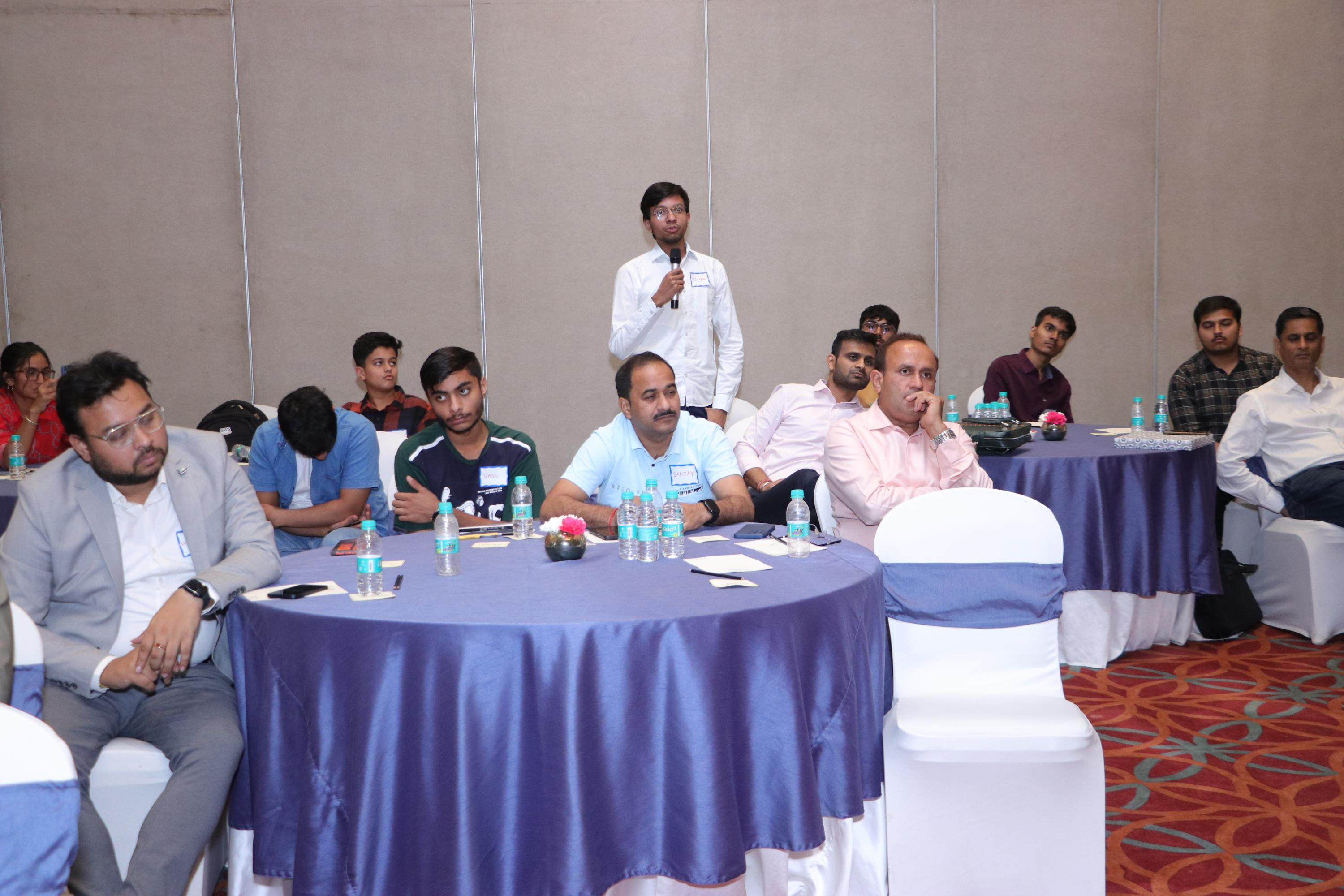
Audience engaging with L Venkata Subramaniam's session
L Venkata Subramaniam Q&A

Up Next:

AI's Ethical Nightmares

Sangeeta Bharadwaj's Session